Monday, June 7, 2010

Husband compared it

to taking an etch-a-sketch and shaking it to what I did to one of our gardens.

This is the first of many posts showing the rebuild of my gated flower garden in the back yard that has eight plots all about 3 feet deep and 10 feet wide, with gravel down the middle and in between the beds. I planted in or around 2000 or 2001. The idea very much inspired by the garden in the movie Practical Magic.

Last year I completely ignored this garden in order to get props finished for Halloween. And the year before....well, I let it slide more than I should have. So this year I knew that I really had to tear up a big chuck of the invasive perennials dead roses (I think the daises choked them.....daises are evil that way :D )


This project is a whole lot easier to do when husband comes along and digs them up rather than me spending 20 minutes trying to get one plant out....he can remove most everything in one of beds in a few minutes. So he was out there on one of the sunny days (we have had a few) and dug up most of the garden.


Now you might say...you should have given some of these away - I would have if all my gardener friends did not already have a yard full of this stuff from my previous "giveaway parties" :D


We tore out:
  • A butterfly bush tree (really, it was about 6 inches around)
    several other butterfly bushes volunteers (there is a reason they are not allowed in to be sold in our area anymore)

  • A way too friendly Cape Fusicha that not only took over the bed it was planted in....but at least three other beds and I could tell by the way it looked at me when it saw the shovel, that it was on its way across the street to the neighbors garden

  • Purple Coneflower - lots of purple coneflower - also very friendly and made home in just about every bed in the garden.

  • Shasta Daisies...again another plant that had managed to take over an entire bed or two

  • Fever Few......I remember reading once that fever few is important for safe travel charms.....I believe them...all you have to do is plant one small bit and pretty soon it will cover your property to keep you from leaving.....which I guess is helping you travel safe since you cannot leave your house anymore :)

  • Grape Hyacinth - I am sure I will never be done pulling that out of the yard

  • Tickseed - I left one small plant in the garden....and I am keeping an eye on it....well, maybe both eyes :)

  • Some very sad Blaze climbing roses that never really did much climbing

  • Very neglected lavender, that looked like it had been trotted upon by a giant....but it did smell lovely when I dug it up :)

  • Mint....my mortal enemy, but very important for mojitos....and after a few of those...I don't care so much that it has taken over the yard again :)

  • Many, many volunteer cherry tree starts.....note to the twin cherry trees that flag my vegetable garden...your days are numbered. :)

  • Then we pulled out several walnut and hazelnut tree starts along with moving some tulips from the veggie beds back into the garden....I know the squirrels thought they were being helpful :)

Pictures of the garden after the tear out on the next post.

I have been buying, native or at least zone friendly and less invasive plants for the garden! More pictures of my progress to follow.

Frog Queen

Friday, June 4, 2010

Invasive Species Alert

I think that all of us should be aware of this very aggressive invasive species, and especially those of us who have Faerie Gardens!


Wishing everyone a great weekend!

Wednesday, June 2, 2010

Daylilies and Bee Balm

This is the time of year when we have hundreds of daylilies blooming. In just about every color you can imagine from yellow to orange to red to pinks to purples. We have the Common Tawny Daylily planted in borders around several trees and flower beds. We also have a hundred or more hybrid daylilies. The flowers of most species open at sunrise and wither at sunset, possibly replaced by another one on the same stem the next day. If only the oranges and purples were still blooming in the fall what a beautiful display it would be for the Halloween garden but their blooming will have ceased by then. So we also plant dozens of marigolds, orange daisies, orange and white impatiens, verbena and Bee Balm. We thought we would share just a few of our beauties with you!


Bee balm is an herbaceous member of the mint family. It is commonly grown in gardens and can be found along roadsides and in fields across the United States. Bee balm is also known as bergamont or horsemint. Bees, hummingbirds and butterflies are strongly attracted to the aroma and colorful flowers of the plant, hence the name bee balm. more

Tuesday, May 25, 2010

Swamp Rose

If ever there were two words that didn't go together, Swamp and Rose are the two.  But despite the images that come to mind when one hears those words - dank, humid, thorny - viewing this plant will quickly disperse them.
The Swamp Rose (rosa palustris) is a native American Rose which grows across the South and East in moist, swampy ground. It's graceful, arching and nearly thorn-less branches bring architectural beauty to the Garden at any time of year. And is especially beautiful weeping into a pond or stream. The Swamp Rose will tolerate dryer conditions, but not grow as large.


The Swamp rose will bloom in late Spring after many other species have finished. The flowers are often double and generally a vivid pink and heavily perfumed. This Species Rose is disease resistant and its Hardiness Zones are 5-8. With a spacing of  3ft.- 4ft. and a height of 4ft. - 5ft.

Redoute' painted this rose in the garden of Empress Josephine of France.


Tuesday, May 18, 2010

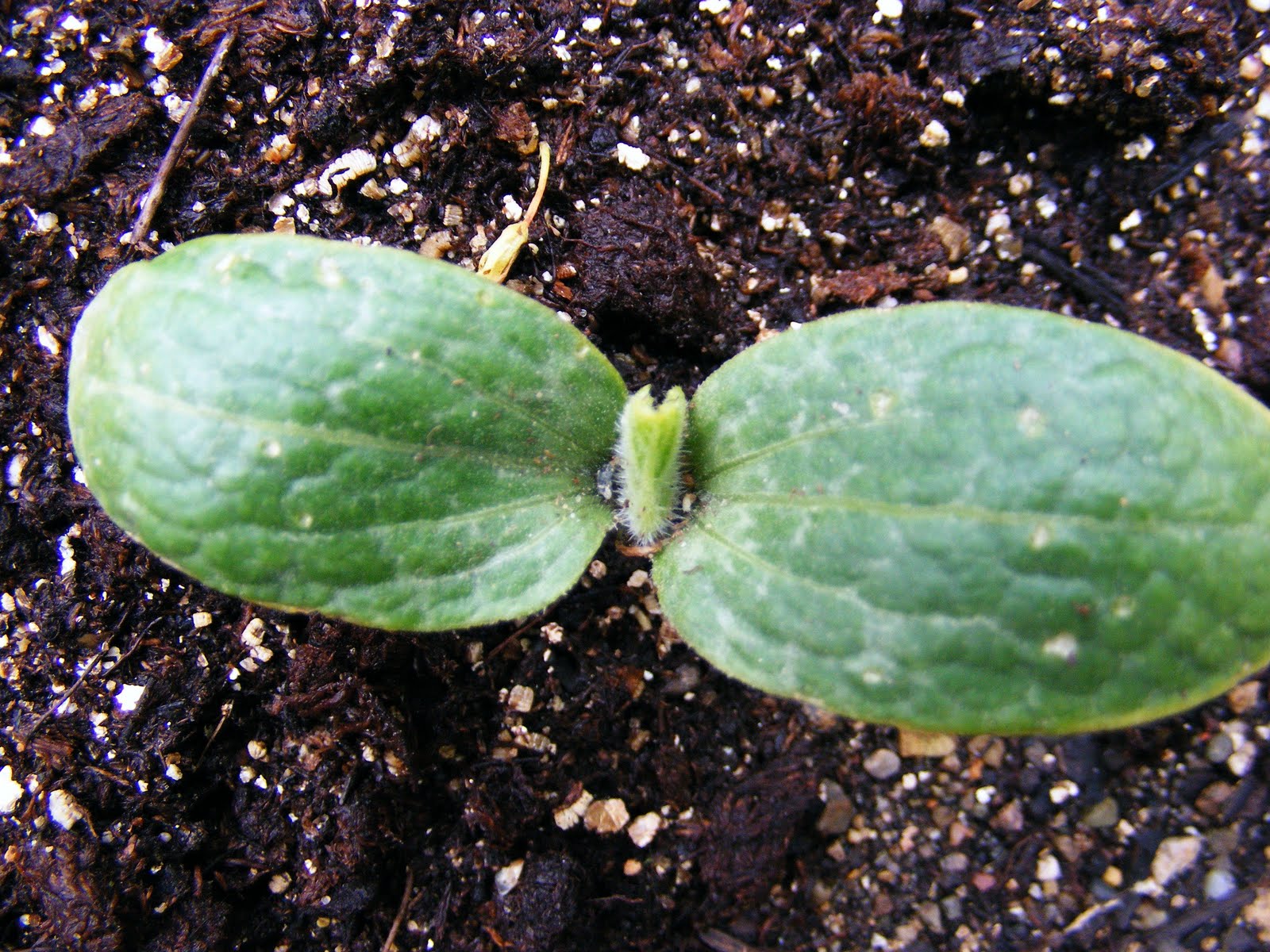
Pumpkin Seedlings!


So far so good! This variety is Big Max which can grow up to 100 lbs. I'm just hoping for a few good ones to carve. A great book on Pumpkins is The Compleat Squash A Passionate Grower's Guide to Pumpkins, Squashes and Gourds by Amy Goldman.

Saturday, May 15, 2010

Wednesday, May 5, 2010

It always seem like someone

is watching me. :)

At one of the local garden shows I was introduced to a plant called Doll's Eye (Actaea pachypoda). Creeping looking thing and we all know how much I like creepy :)

And I come to find out deadly. Since I do not have kids or dogs, and I always wear gloves that I wash after each use. I usually do not worry too much about deathly toxic plants or plants that make you ill....but I generally try to avoid them.

I would have done this with this one too if I would have known how toxic it is, but I was too distracted by how interesting it was. Here is a bit more information on the toxic properties:

It's a good thing the creepy-looking berries of this plant aren't enticing*, because consuming the fruit of a doll's eye plant (or white baneberry) could kill you. The berries contain cardiogenic toxins that can have an immediate sedative effect on cardiac muscle tissue. Ingestion of the berries can lead to cardiac arrest and death.

Yeah, I am a bit concerned now too. :)

I have one in the front garden area of the house where my friends kids play when they are over (all of them over the age of 7).....I am going to move it to the back of the yard, where very few people visit and make sure I let my friends know about it, just to be safe.

If it is anything like the Datura (Angel Trumpet) and Monkshood plants that used to be in my garden....it won't last long. I have not been able to get either one to like the northwest climate.

Either way, I would never recommend putting a toxic plant in your garden...because you just never know. For a quick run through some of the most toxic plants check out this site.

* I beg to differ on that point of the description...I think the fact that they are white berries that look like eyes is going to make the extra intersting to toddlers...although this is coming from a lady with no children, so I could be mistaken.